Distributors Introduction
Distributors are the rules which define how assignments are made. You can have multiple distributors per team, each with a different function. E.g. Hot, warm and cold leads or P1, P2 and P3 cases. Fr…
Distributors are the rules which define how assignments are made. You can have multiple distributors per team, each with a different function. E.g. Hot, warm and cold leads or P1, P2 and P3 cases.
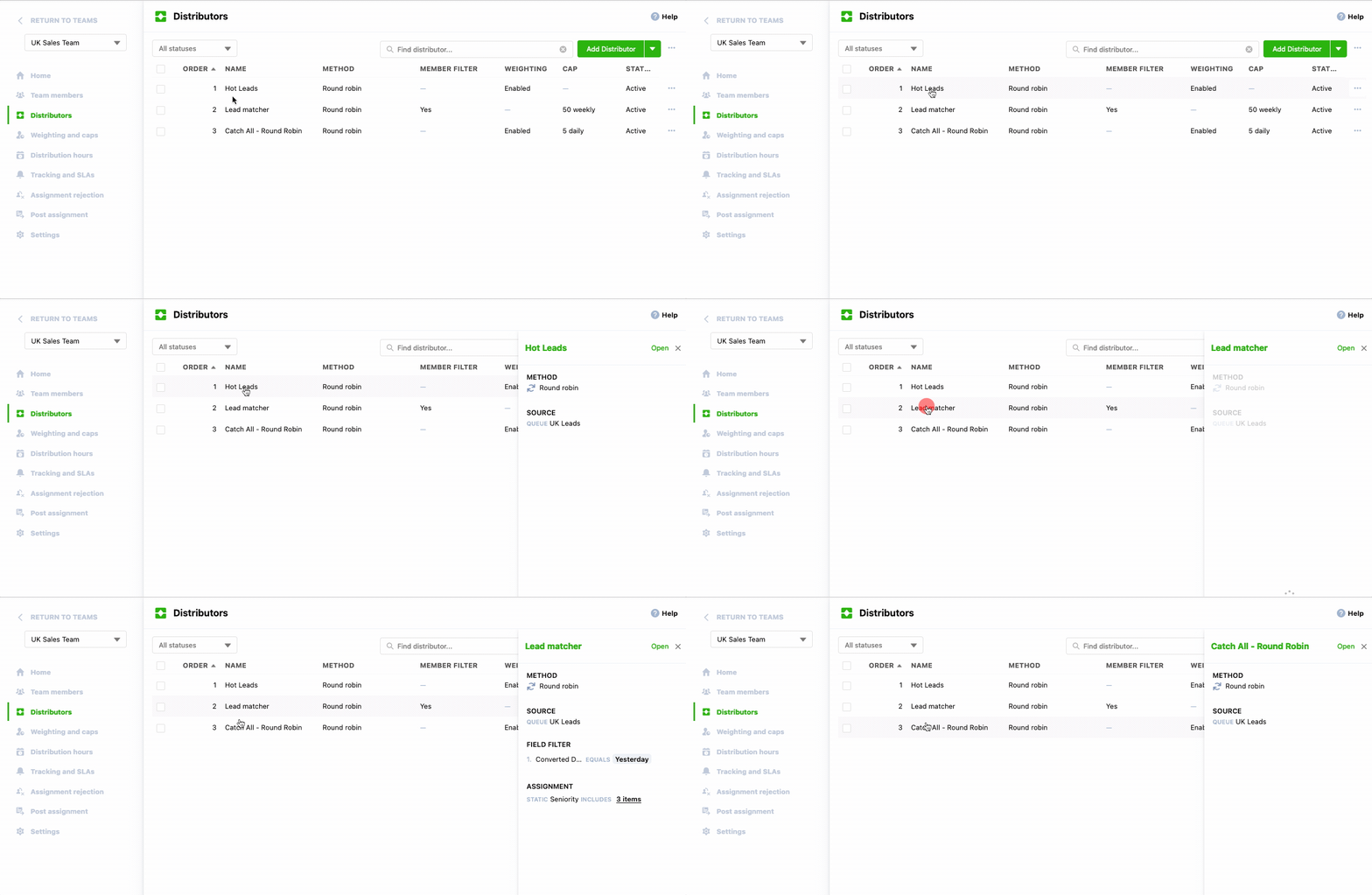
From the distributors page you can
- Add a new distributor.
- Clone a distributor.
- Re-order - set the execution order of distributors.
- Browse and open distributors.
- Activate and deactivate distributors.
- Delete distributors.
- Test records against a distributor's filters.
- Review recent assignments by a distributor.
- Preview available records for a distributor.
Add a new distributor
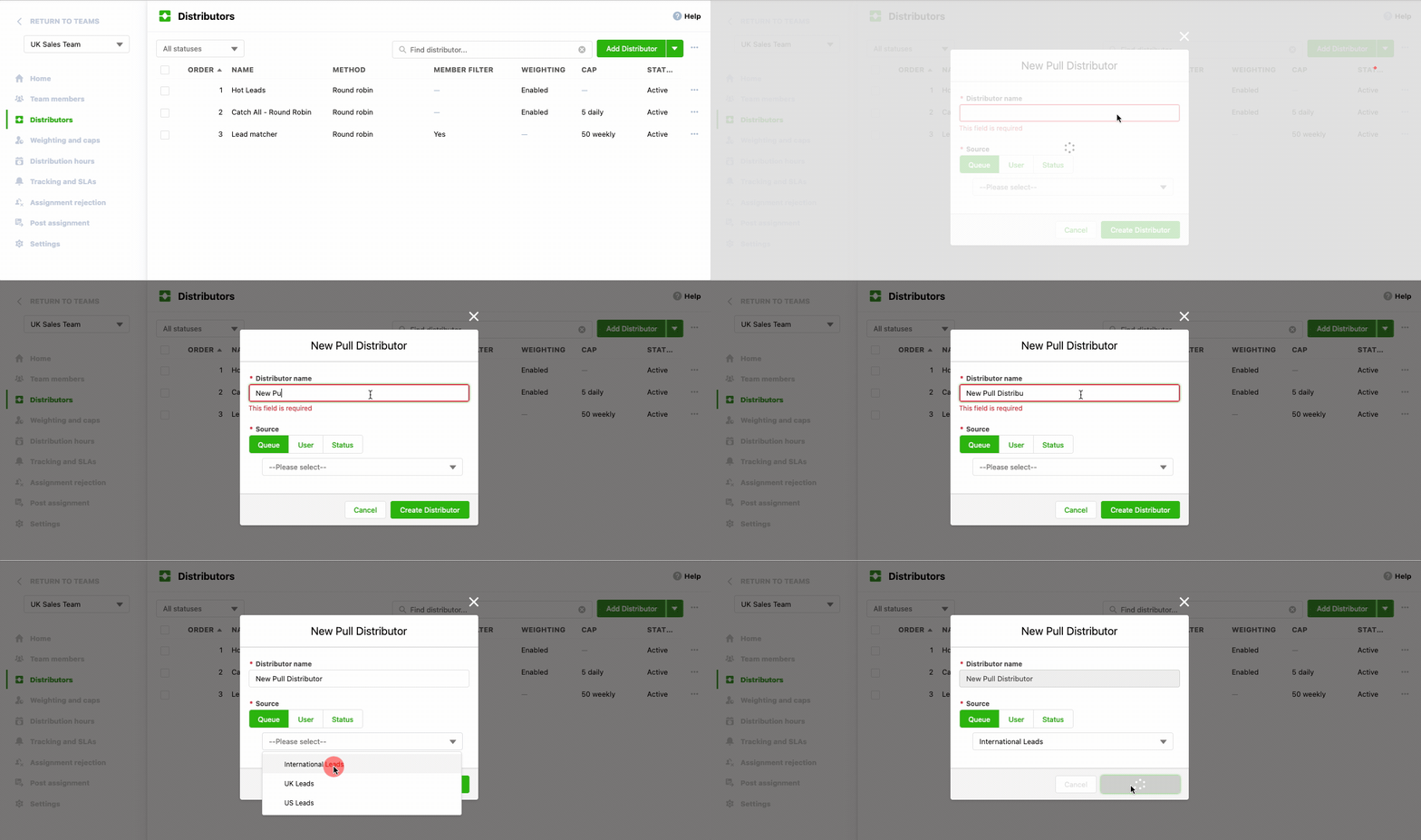
- Click add distributor.
- Name your distributor (e.g. hot leads).
- Select the source. Normally a Salesforce queue for leads / cases. You can also use a specified user or a field and value as a source. Learn more about distributor sources.
- Click create, and then configure the remaining settings on the distributor settings page. Learn more about distributor settings.
Reorder Distributors
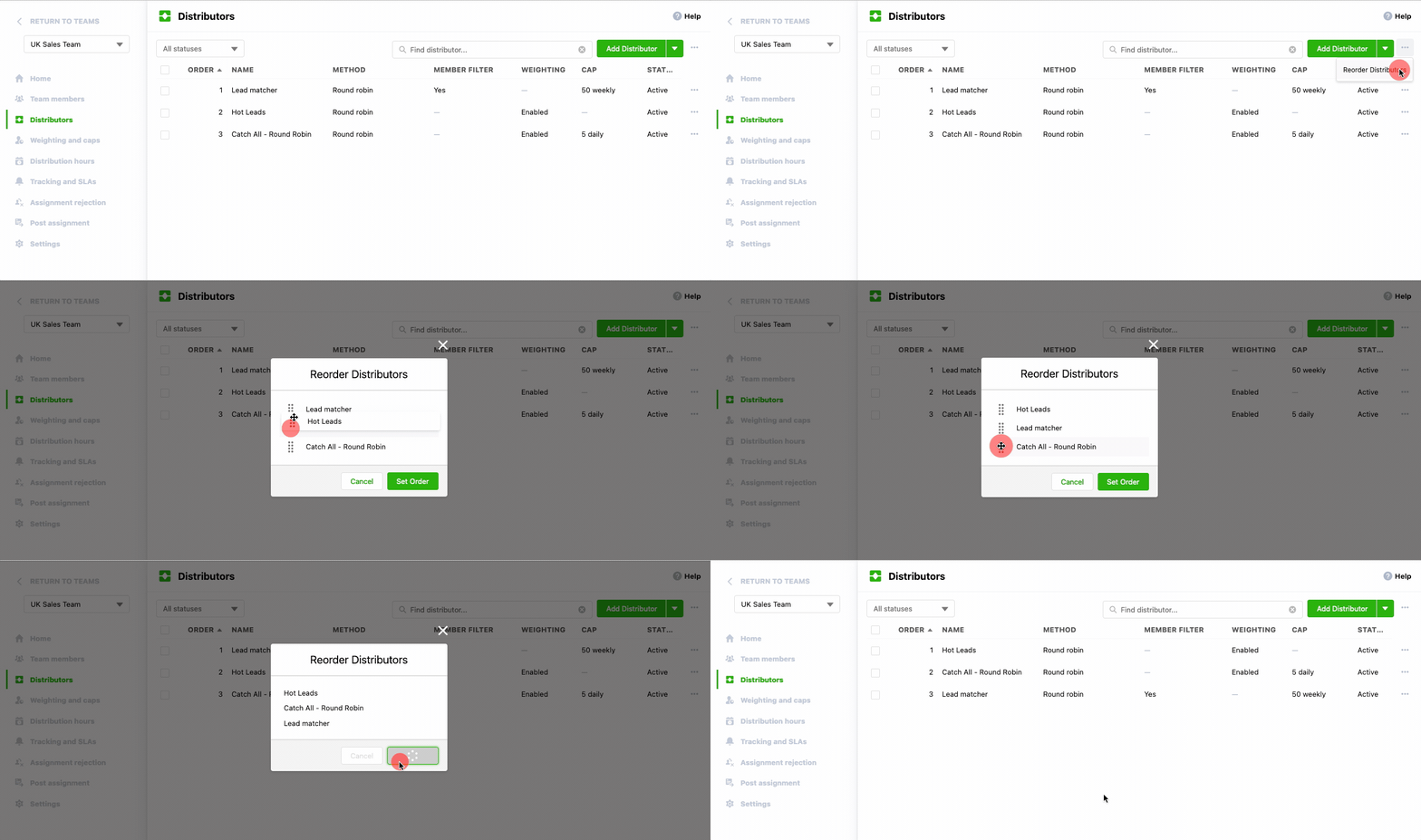
Distributors run in order, top to bottom. So if 2 distributors had the same filters, the topmost distributor would run first and select records meeting the filter criteria. To change the execution order you can click Reorder distributors and drag distributors up and down.
Advanced distributor types
There are four types of distributor – standard, pull, manual and trigger.
Trigger & Pull Distributors are available on the Ultimate Tiers. Learn more
- Standard Distributor: The default and most powerful way of automatically assigning out records among the team. A Salesforce job runs periodically (as defined on settings tab) and initiates all the scheduled distributors in the engine.
- Manual Distributor: Allows a team manager to choose the team member that receives the assignment based on information shown about each member in the record detail component.
- Trigger Distributor: Triggers are fired as soon as a record is updated so this distribution method is ideal for real time situations. However, due to governor limits, trigger based distribution has less functionality than standard distribution.
- Pull Distributor: This allows team members to request their own records via the widget. Typical use case would be setting up a pull distributor to provide additional records when members have spare capacity.
Learn more about distributor types.
Add a new pull distributor
Click add pull distributor from the top menu and enter a name and source. Pull distributor settings are covered here.
Add a new manual distributor
Click add manual distributor from the top menu and enter a name. No source is required because manual distributors are only fired when a manager chooses to assign the record. Manual distributor settings are covered here.
Add trigger distributor
Click add trigger distributor from the top menu and enter a name. No source is required because trigger distributors are only fired by setting a checkbox. Trigger distributor settings are covered here.
How did we do?
Distributor Types